



First of all, before wanting to properly repair your skin after exposure, it is important to prepare it well.
Prepare your skin to avoid unpleasant surprises
Before perfecting your golden tan on the beach, there are 2-3 simple tips to properly prepare your skin for the sun.
Forget about tanning beds, which are harmful to your skin as they promote skin aging and can even cause certain cancers. Commercial self-tanners are also not very natural, both in terms of composition and the results they give your complexion.
Here are our tips to properly prepare your skin before sun exposure.
1/ Do a gentle scrubIn order to remove all dead skin cells and prepare your skin for the sun to achieve a beautiful, even tan. Once or twice a week depending on your skin type, you can do a body scrub and a facial scrub. The scrub helps to remove dead skin cells, oxygenate the skin, making it more radiant and glowing! Ready to receive the first rays of the sun, yourtan will be more even and long-lasting. |
 |
|
|
2/ Have a suitable dietto prepare your skin for the sunFocus on foods rich in vitamins and minerals! The star is beta-carotene. It can be found in carrots, tomatoes, mangoes, oranges, sweet potatoes, and also apricots… In addition, it is important to consume foods rich in vitamin A to protect the skin from aging: cheese, egg, cod liver oil, green vegetables. Let's not forget essential fatty acids to promote skin regeneration after exposure: salmon, sardines, sesame oil… Vitamins C and E, for their part, allow for better skin healing, fight against cell aging, and prevent sunburn.They are rich in antioxidants and anti-free radicals.
|

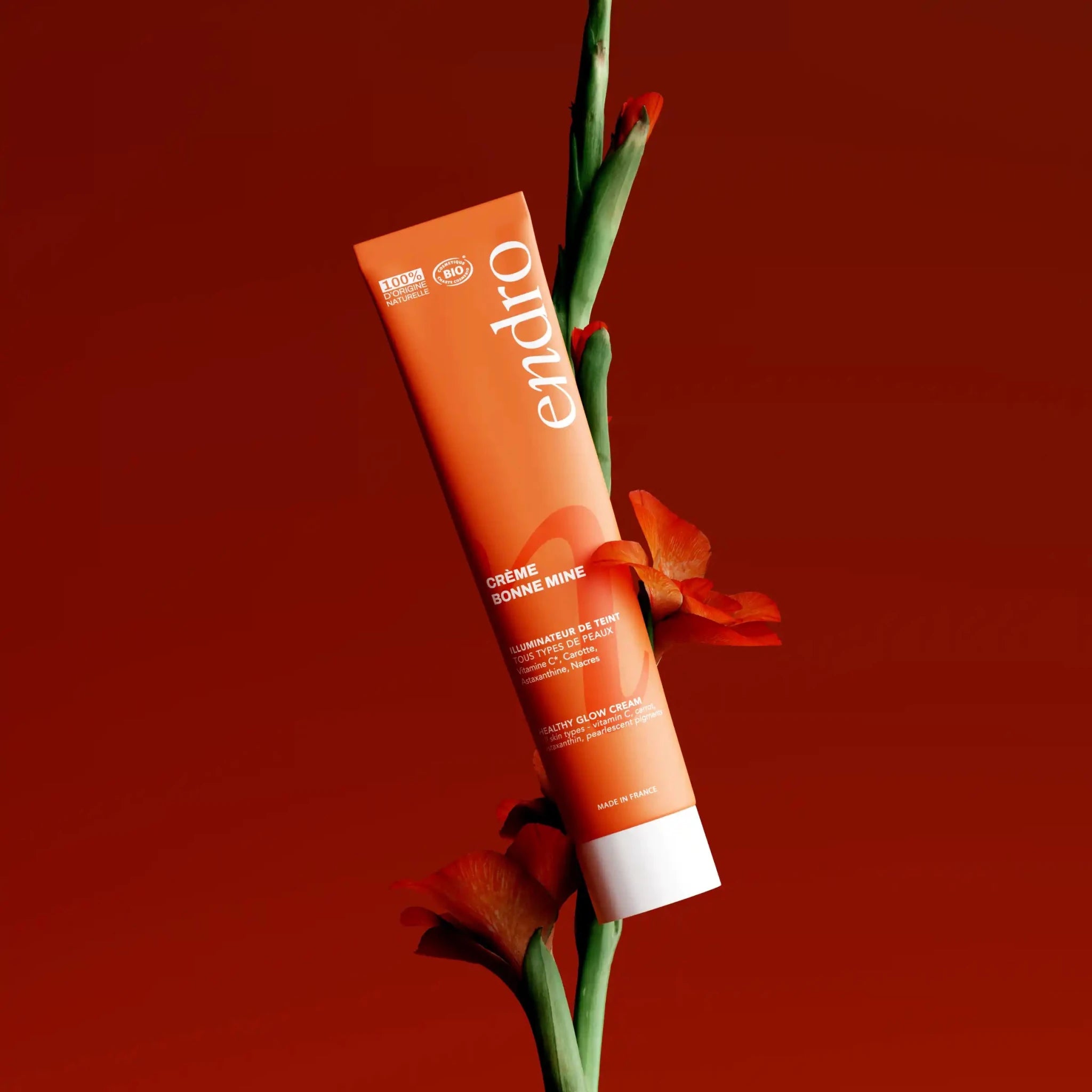
3/ Skin hydrationThis is the key step in your beauty routine. Skin that is not hydrated before the exposure period will be more sensitive to the sun. On the other hand, hydrated skin becomes softer, more supple, and more resistant to the sun. As an added bonus, opt for creams containing carrot macerate or carrot oil. Indeed, beta-carotene stimulates melanin, which is responsible for skin pigmentation. This will naturally give you a healthy glow and a slight natural tan. It is important to hydrate your skin with skincare products, but also by drinking water before sun exposure. Hydration mainly comes from within, so remember to drink 1.5 to 2 liters of water per day. |
 |
|
|
4/ Take dietary supplementsThey will help boost your skin before sun exposure.They notably help to stimulate the production of melanin, which is responsible for tanning, and to strengthen your natural defenses. Your skin then has all the nutrients it needs to be supple, soft, radiant, and to defend itself against the harmful effects of UV rays.
|

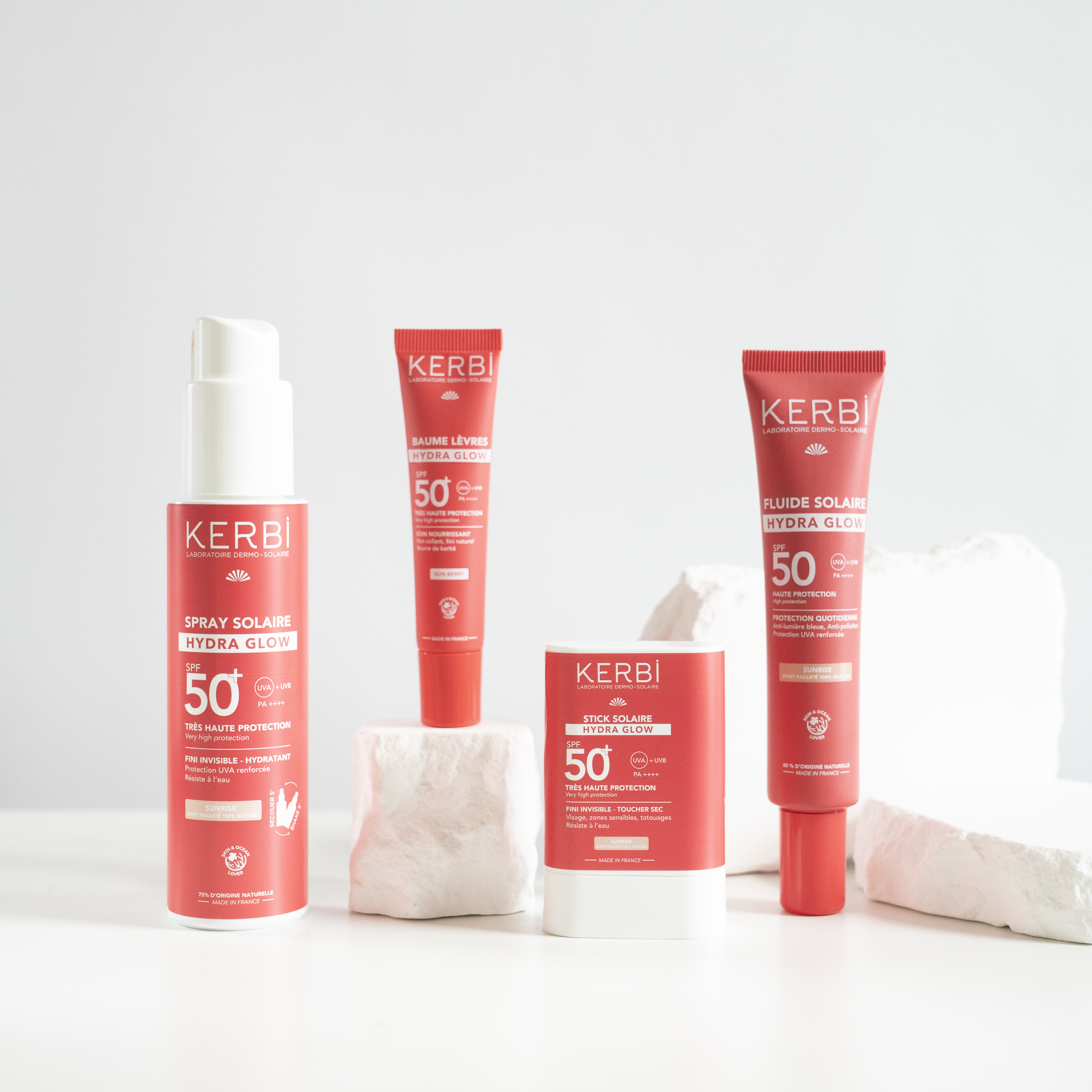
5/ Sunscreen,the summer essentialWhen the first rays of sunshine appear, we tend to want to go out and expose ourselves right away. It is very important to take it slowly by starting with short periods of exposure and then gradually increasing them, always making sure to protect yourself, of course! At the beach, in the mountains, or in the countryside, it is essential to protect your skin with an SPF between 30 and 50. Contrary to popular belief, sunscreen does not prevent tanning and protects you from the harmful effects of the sun. You can use quality sun care products without controversial ingredients, such as anorganic and natural sunscreen. Of course, avoid exposing yourself during the most dangerous hours, that is, between 12 p.m. and 4 p.m., as this is when the sun is strongest. |
|

Repair your skin after sun exposure
Ahhh the sun, it's great, it makes us smile, it warms our hearts, but it also has its nasty flaws.
The sun sends us UVA rays that accelerate the aging of our skin.Not only do they destroy the collagen fibers that make it up, but they also reduce the Vitamin C reserves in our dermis.
So after the beach, we adopt a powerful routine to soothe and repair our skin! Properly repairing your skin after exposure also helps tomaintain a quality tan for longer.
1/ After-sun body care
It is important to take care of your skin in the evening after exposure, as it is during the night that the skin regenerates.
First, avoid showers that are too hot and shower gels filled with sulfates, as they will irritate the skin and increase the feeling of dryness.
Wash yourself with cold-saponified soaps that will respect your skin and leave it soft and well hydrated.
Then, moisturize and nourishyour body every evening with acreammoisturizer with a fluid or rich texture according to your preference. If you do not like the sensation of cream, you can also use adry oilwhich will not leave a greasy film on the skin.
Finally, use and abuse after-sun lotion. This willhydrate your skin thanks to its moisturizing ingredients and deeply soothe any feelings of heat.
Here's a little tip: you can also place it in the fridge for a pleasant cooling sensation after exposure.
2/ After-sun facial care
After sun exposure, your skin has inevitably dried out due to the strength of the UV rays. You will therefore need to pamper it to restore hydration and comfort, so it can face another possible exposure the next day.
Start first with a thorough cleansing of your face to remove any residue of sweat, dust, and UV protection that could easily clog your pores and cause unsightly blemishes in the following days. The advantage of a cleansing oil is that it will deeply dissolve impurities.It emulsifies with water for a pleasant rinse and skin that does not feel tight.
Continue with facial cleansing. Cleansing your skin does not mean stripping it. Choose a gentle cleanser that does not dry out your skin and respects its pH. Why not also use a konjac sponge for an extra gentle cleanse!
Next, apply an after-sun facial care product with a fluid texture to provide an initial layer of hydration to the skin. This treatment will penetrate the skin very quickly to hydrate, soothe, and deeply regenerate it. Then, it is important to lock in this hydration. The skin will thus regenerate during the night and not lose moisture. You can apply over your after-sun care a thicker moisturizing cream or a dry oil for a non-greasy effect.
3/ Little bonus, hair tips
Salt and chlorine also attack your hair, making it brittle and dry.
Ideally, rinse your hair quickly to remove all chlorine and salt residues. In the evening, wash it with a gentle shampoo and let it air dry. If your hair is dry, coloredor sensitized, applya mask every evening. This is the best way to prevent breakage and dehydration of lengths and ends. Do not use silicone-based products, as they are not biodegradable and can damage your hair.

More information on how to choose your organic sunscreen 👉 Click here


Leave a comment
This site is protected by hCaptcha and the hCaptcha Privacy Policy and Terms of Service apply.