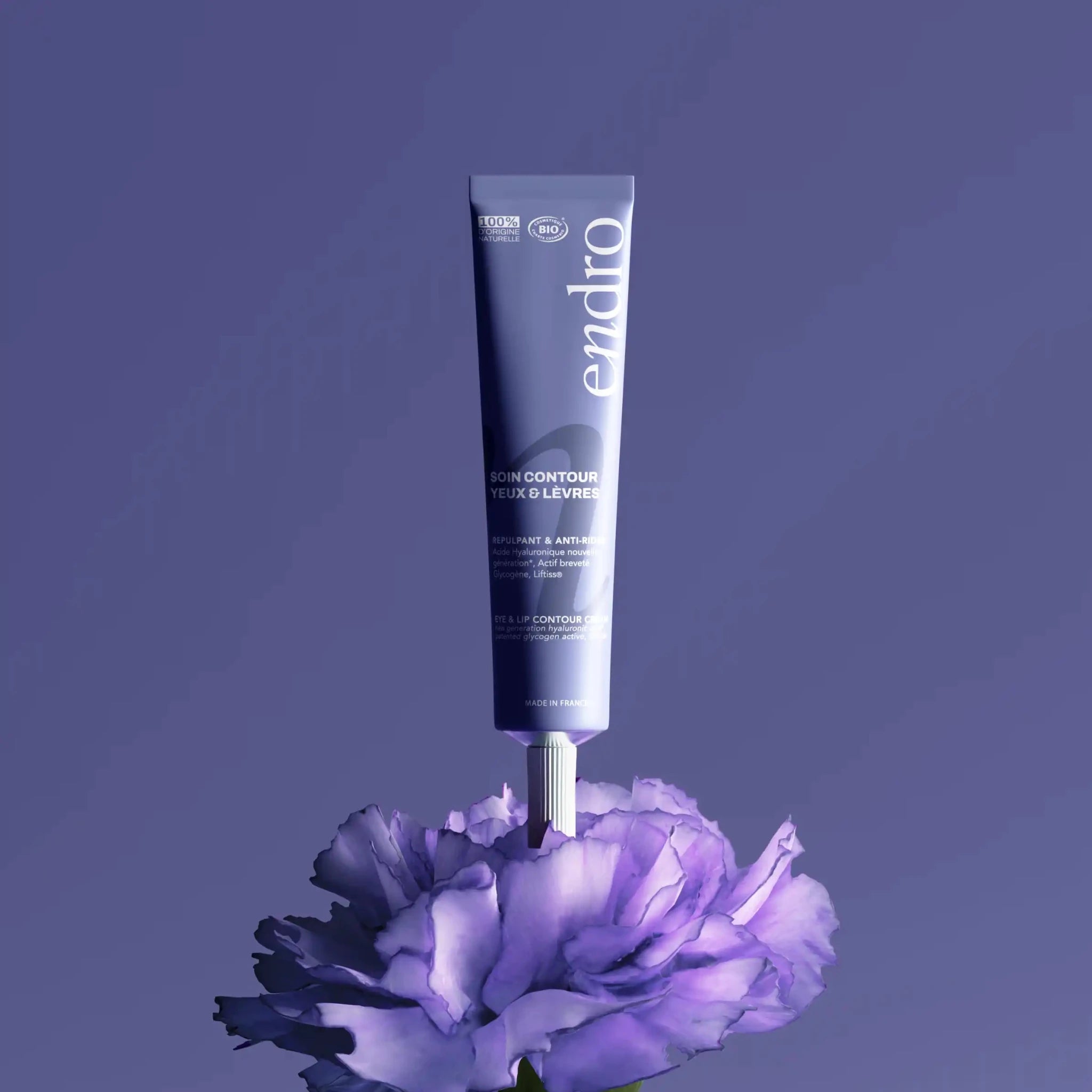
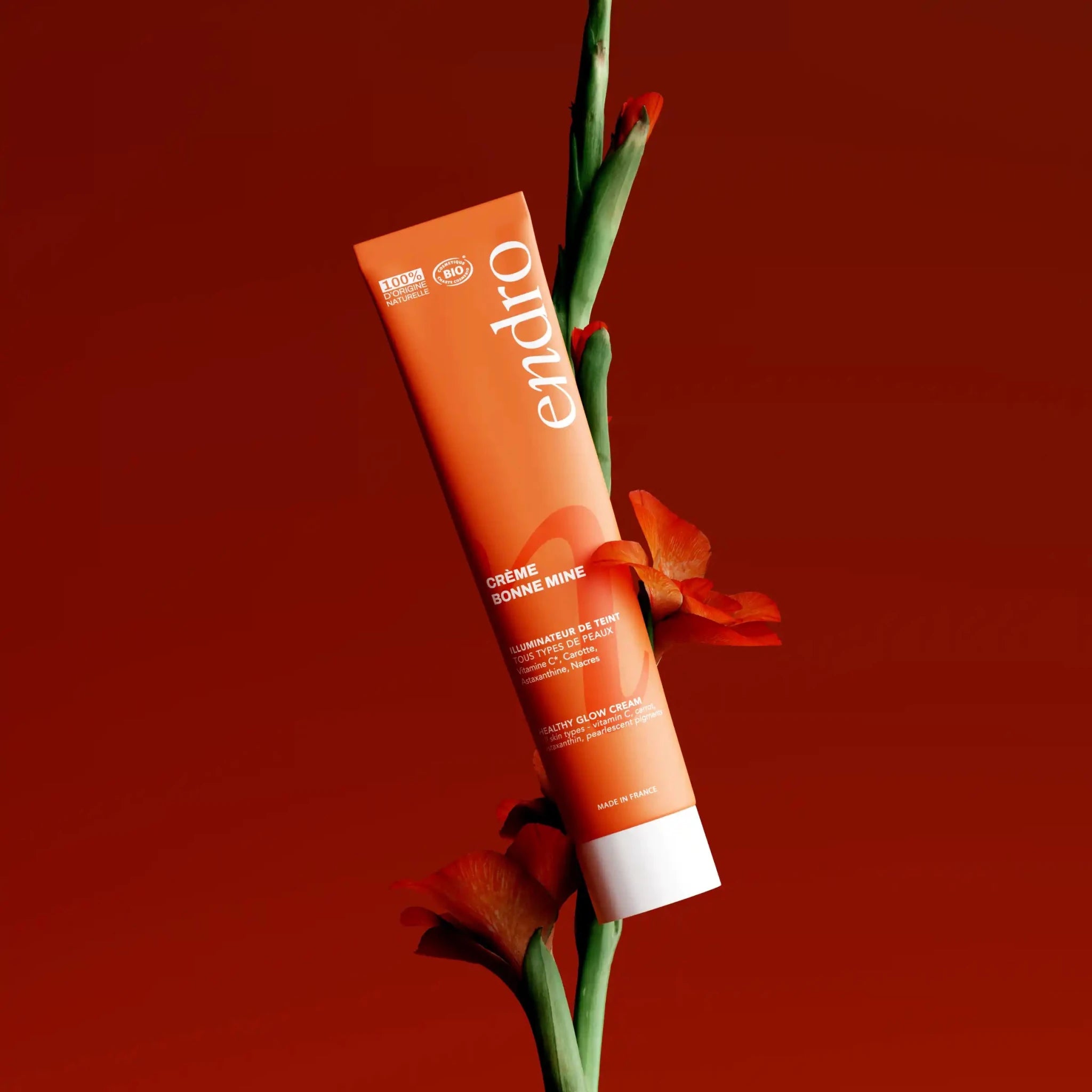
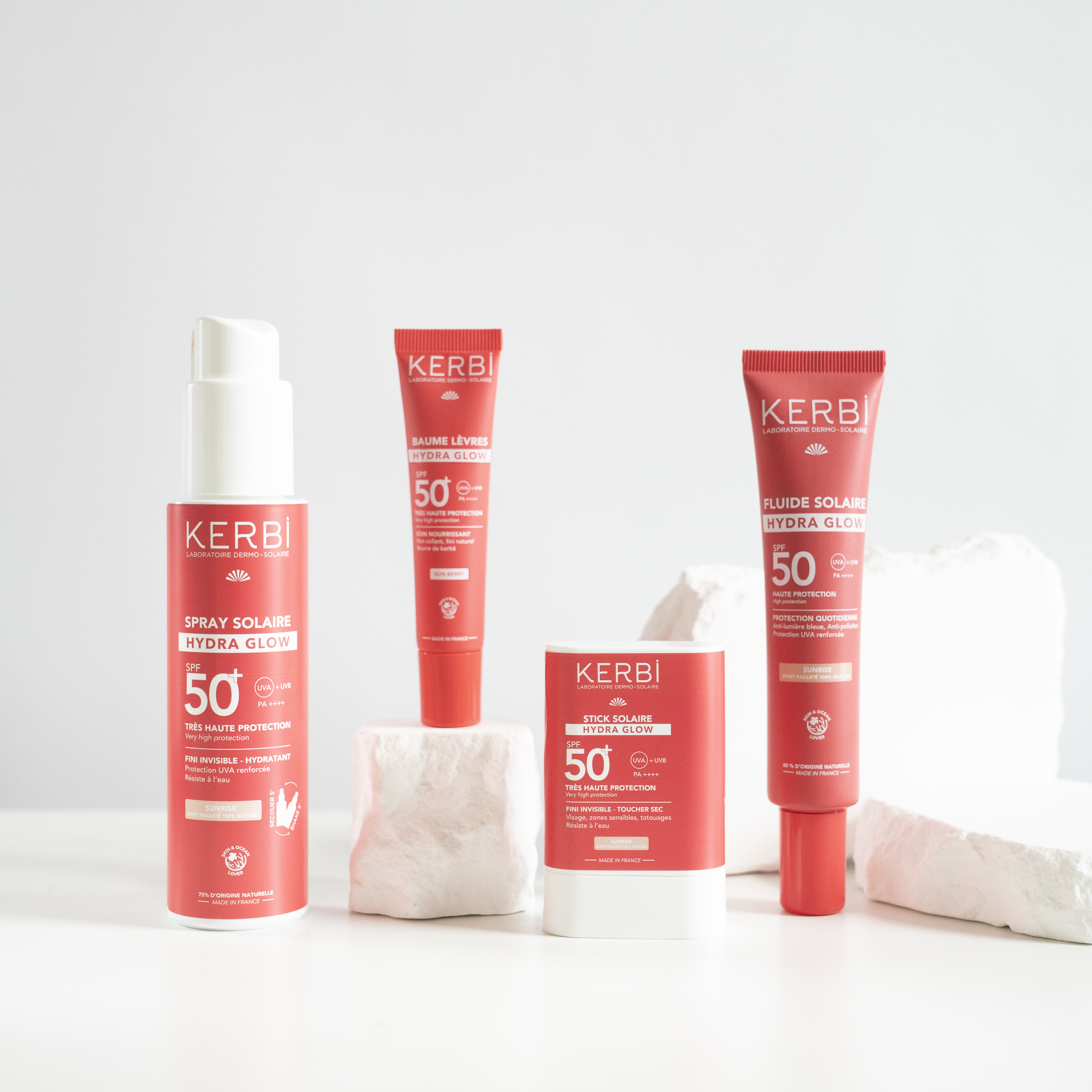
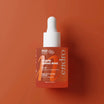
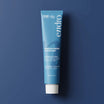

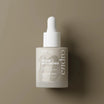


Some of the best anti-aging active ingredients include retinoids, which help increase collagen production and reduce the appearance of fine lines and wrinkles, as well as antioxidants such as vitamins C and E, which help protect the skin from environmental damage. Other effective anti-aging ingredients include hyaluronic acid, which helps hydrate and plump the skin, and peptides, which can help stimulate the production of collagen and elastin. Additionally, using sunscreen can help prevent sun damage and reduce the appearance of skin aging.
To best guide you in your choice of cosmetic products, here is a non-exhaustive list of the 4 best anti-aging actives and their benefits.
Hyaluronic Acid: for hydrated, supple, and plumped skin.
As we mentioned in our comprehensive article on hyaluronic acid, it is naturally present in the body. It helps maintain skin hydration and contributes to its firmness. It is capable of retaining 1000 times its weight in water to deeply hydrate the skin, plump it, and smooth out wrinkles and fine lines.
However, its quantity decreases significantly with age, which is why mature skin is drier and more fragile.
In cosmetics, there are different molecular weights of hyaluronic acid that act on different levels:
- Ultra-low or low molecular weight : it acts on wrinkles by penetrating the skin to absorb water and stimulate fibroblasts.
- High molecular weight : it will protect the skin from external agents such as pollution, UV rays, or cigarette smoke. The active ingredient will remain on the surface of the skin to act as a protective barrier.
The best approach is to use both molecular weights of hyaluronic acid to combine their effects. Anti-aging serums based on hyaluronic acid can be used all year round, in any season, morning and evening.
Retinol: the star of anti-aging actives
Retinol is a form of vitamin A commonly used in skincare products for its anti-aging properties. It belongs to the retinoid family and is one of the oldest and most renowned anti-aging actives. It is the cosmetic active ingredient whose effectiveness has been the most studied and proven.
Retinol was originally used to treat acne due to its strong anti-inflammatory properties, then scientists realized its anti-aging power.
It is both capable of soothing skin inflammations (such as acne) and slowing down skin aging. Very concretely, retinolacts on the surface of the skin by eliminating dead cells, but also in depth by reactivating collagen and elastin.
- On the surface: it smooths the skin texture, revives the complexion's radiance, and regulates melanocytes to reduce dark spots.
- In depth: it stimulates the production of collagen and elastin and increases the concentration of Hyaluronic Acid.
The main properties of retinol include:
- Stimulation of collagen production: Retinol helps to increase collagen production in the skin, which can improve the appearance of wrinkles and fine lines.
- Exfoliation: Retinol helps to increase cell turnover, which can improve skin texture and tone.
- Unclogging pores: Retinol can help to unclog pores and reduce the appearance of acne.
- Reduction of pigmentation: Retinol can help to reduce the appearance of age spots and other forms of pigmentation.
- Antioxidant properties: Retinol has antioxidant properties that can help protect the skin from environmental damage.
It is important to note that retinol can cause skin irritation and sun sensitivity in some people, so it is recommended to use sunscreen when using retinol-based products. In addition, retinol is generally applied during the evening routine.
To achieve these beneficial effects on the skin, a significant concentration of Retinol is necessary (at least 0.3%) but it can be irritating for thin and dry skin. Be careful, retinol should not be taken lightly, it is a highly irritating active ingredient that will not suit everyone.
Vitamin C: for a radiant complexion
Vitamin C (ascorbic acid) is a powerful antioxidant and brightening agent commonly used in skincare products for its anti-aging properties.
The main properties of vitamin C include:
- Antioxidant properties: Vitamin C helps protect the skin from environmental damage caused by free radicals, which can lead to premature aging. It also helps fight against oxidative stress.
- Stimulation of collagen production: Vitamin C helps increase collagen production in the skin , which can improve the appearance of wrinkles and fine lines. Collagen and elastin are essential proteins for skin firmness and elasticity.
- Brightening effect: Vitamin C can help brighten the skin and reduce the appearance of age spots and other forms of pigmentation. It decreases the production of melanin responsible for dark spots, which helps restore radiance to the complexion.
- Protection against sun damage: Vitamin C can also help protect the skin from damage caused by UV rays when used in combination with sunscreen.
- Anti-inflammatory properties: Vitamin C also has anti-inflammatory properties that can help soothe irritated skin.
It is thanks to all these properties that vitamin C is a key ingredient in anti-aging treatments. It will improve skin texture, brighten the complexion, and reduce the dull complexion of smokers and stressed individuals.
Dermatologists recommend using this active ingredient primarily in the morning. It is an ingredient that can be used on all skin types, even sensitive ones.On the other hand, be careful not to combine Vitamin C and Retinol if you have sensitive skin, as this could cause irritation.
It is important to note that vitamin C is an unstable molecule and can be degraded by exposure to light, heat, and air. To get the most out of vitamin C, it is recommended to use it in a stable form, such as ascorbyl palmitate or sodium ascorbyl phosphate, and to store it in a cool, dry place.
Glycolic acid: to improve skin quality and texture
Glycolic acid is an alpha-hydroxy acid (AHA) commonly used in skincare products for its exfoliating properties. It is a fruit acid obtained from sugar cane, beet, or grape extract.
This is the smallest fruit acid molecule, which gives it very good penetration into the skin toeffectively stimulate cellular activity.
It increases cell renewal, so the complexion will be clearer and more even. Skin hydration is improved, as is the penetration of other active ingredients.
The main properties of glycolic acid include:
- Exfoliation: Glycolic acid works by breaking the bonds between dead skin cells, allowing them to be easily removed from the skin's surface. This can improve skin texture and tone, reduce the appearance of wrinkles and fine lines, and even out skin pigmentation.
- Stimulation of collagen production: Glycolic acid can also stimulate collagen production in the skin, which can help improve the overall appearance of the skin. This gives it a firming and toning effect.
- Unclogging pores: Glycolic acid can help unclog pores and reduce the appearance of acne.
- Hydration: Glycolic acid can help increase skin hydration, which can make the skin plumper and more youthful.
- Brightening effect: Glycolic acid can also help brighten the skin, making it more radiant and even.
Glycolic Acid can be used on all skin types (young or mature, oily or normal) as an evening treatment (however, avoid during periods of significant sun exposure or if the skin is irritated).The concentration in cosmetics can range from 4% to 15%, and should be chosen according to each skin's tolerance. It is important to note that glycolic acid can cause skin irritation and sun sensitivity in some individuals, so it is recommended to use sunscreen when using glycolic acid-based products and to start with lower concentrations.
- On young and oily skin, it will helpregulate sebum production.
- On more mature and dry skin, it will act as a moisturizer, anti-wrinkle and brightening agent .
The most important thing: good sun protection!
Gone are the days of the 70s and 80s when the goal was to be as tanned as possible to show off a radiant complexion and sunbathe on the beach without sunscreen! All you’ll get is guaranteed wrinkled skin and hello Gollum.
Of course, we need some sun, but if you want to maintain beautiful skin, it’s essential to protect yourself whenever you’re exposed.
Sunscreen is considered one of the best anti-aging protections because of its ability to shield the skin from the harmful effects of UV rays. Photoaging can cause fine lines, wrinkles, and age spots. The sun’s UV rays can cause various skin damage, including sunburn, dark spots, and premature aging.Sunscreen can also help protect the skin against skin cancer, which is caused by prolonged exposure to UV rays
It is recommended to use a sunscreen with an SPF of at least 30 that offers broad-spectrum protection, meaning it protects against both UVA and UVB rays, and to reapply it every 2 hours when exposed to the sun.
The use of a photoprotective formula is essential at any age.
The right routine: in the morning, hydration and sun protection; in the evening, deep cleansing and activation, as it is at night that the skin regenerates.
In conclusion, as we have understood, all these active ingredients will act on different aspects of aging, so the best approach is to combine them for a multiplied effect.


Leave a comment
This site is protected by hCaptcha and the hCaptcha Privacy Policy and Terms of Service apply.